
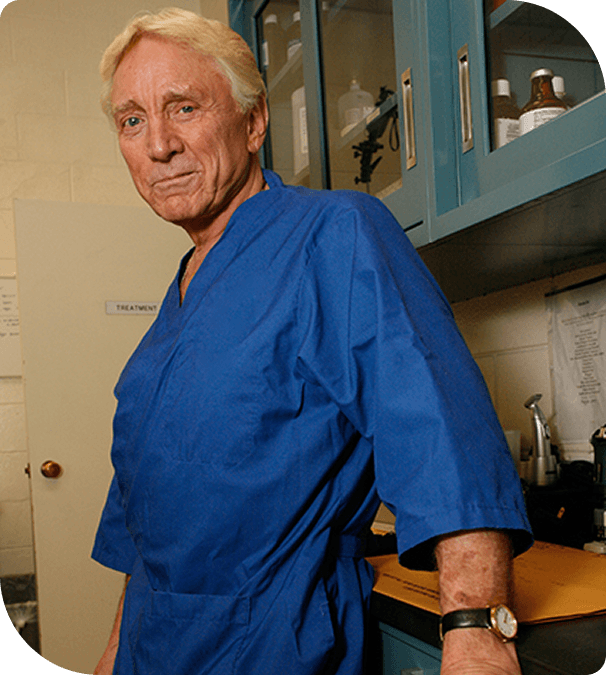
Homage to Dr. Peter P. Emily, DDS, Hon Dipl AVDC®
The Peter Emily International Veterinary Dental Foundation (PEIVDF) was founded in 2005 as a private charitable foundation. Dr. Peter Emily, DDS, Hon AVDC AVD, donated the initial funds which formed the private foundation in order to continue his life’s work promoting the oral and dental health of domestic and captive animals around the world.
Our mission is to provide life improving advanced veterinary dental care to exotic animals located in captive animal facilities and animal sanctuaries, which are under funded and/or understaffed from a veterinary perspective, in the US and abroad.
In early 2009, the board of the private foundation realized that in order for us to achieve our goals, raising additional funds needed to become a priority. As a result, on June 23, 2009 PEIVDF was incorporated and recognized by the IRS as a public charity. PEIVDF will focus on the operational side – fundraising, conducting missions, and by these activities, ensuring that there is a continuous supply of qualified practitioners willing and able to provide veterinary dental services to captive animals.
Dr. Emily was also instrumental in:
Advancing zoo dentistry as a discipline: He helped establish protocols for safely performing dental procedures on large and dangerous animals, including lions, bears, and elephants.
Developing specialized tools and techniques: Many standard dental instruments were inadequate for exotic species, so he contributed to adapting and designing equipment suited for large jaws, long roots, and unique tooth structures.
Promoting preventive care: He emphasized the importance of diet, enrichment, and routine monitoring to reduce dental disease—shifting the field from reactive treatment to proactive welfare management.
Education and mentorship: He trained veterinarians worldwide, sharing knowledge through workshops, lectures, and clinical demonstrations. His influence helped grow a new generation of veterinary dentists with skills in exotic species care.
Perhaps most importantly, Dr. Emily changed how institutions view dental health in animals. Before his work, dental disease in zoo animals was often underdiagnosed or untreated. He demonstrated that oral disease could significantly impact an animal’s overall health, behavior, and longevity—making dentistry a core part of modern veterinary and zoo medicine.
His legacy is seen today in improved standards of care across zoos worldwide, increased collaboration between human and veterinary dental professionals, and a broader recognition that high-quality dental care is essential to animal welfare.